

Welcome to WordPress. This is your first post. Edit or delete it, then start writing!
Blog
-

Inside the Studio: A Day in the Life of a Contemporary Artist
A contemporary artist’s studio is more than a workspace; it’s a sanctuary where imagination comes alive. Every object, tool, and corner reflects the artist’s creative journey. From the light streaming through windows to the scattered brushes and unfinished pieces, the studio embodies both discipline and experimentation. A typical day in the life of a contemporary artist blends routine, exploration, and reflection.
Morning Routine: Preparing for Creation
The day often begins early, taking advantage of natural light that highlights textures, colors, and details. Morning routines help the artist focus and set a productive tone.
Common morning habits include:
- Sketching: Quick, informal sketches to warm up the hand and mind.
- Journaling: Recording ideas, inspiration, or reflections from previous work.
- Material experimentation: Testing new colors, textures, or mediums.
- Studio setup: Organizing brushes, paints, and tools for smooth workflow.
These practices help center the mind, preparing the artist to engage fully with the creative process.
Immersion in Work: The Flow State
Once the studio is ready, the artist dives into their main project. This phase often brings a state of flow, where time passes unnoticed, and every action is guided by intuition.
During this stage, artists focus on:
- Experimenting with techniques, colors, and textures.
- Layering materials to achieve unique effects.
- Embracing mistakes as part of the creative journey.
- Moving seamlessly between painting, sculpting, and digital work.
The environment supports this flow through flexible workstations, proper lighting, and inspiring surroundings.
Midday Breaks: Refreshing Creativity
Even immersed artists need to pause. Breaks prevent fatigue and allow ideas to incubate subconsciously.
Break activities often include:
- Eating a light meal while reviewing sketches or notes.
- Taking short walks to gain perspective and observe surroundings.
- Performing simple studio tasks like cleaning tools or organizing materials.
These pauses often spark new insights or lead to creative breakthroughs.
Afternoon Focus: Refinement and Documentation
Afternoons are dedicated to refining work and documenting progress.
Key afternoon activities:
- Adding details and adjusting composition for visual harmony.
- Photographing pieces for portfolios, galleries, or social media.
- Preparing works for exhibitions or client presentation.
Artists balance creation with documentation, connecting the studio experience to a wider audience.
Evening Reflection: Assessing the Day
Evening is reserved for reflection, planning, and relaxation.
Typical practices include:
- Reviewing sketches, notes, and works-in-progress.
- Planning future projects or experiments.
- Engaging in peer feedback or collaborative critique.
- Relaxing through music, reading, or quiet observation.
This phase reinforces learning, growth, and creative clarity.
Tools and Environment
A contemporary artist’s tools and surroundings are crucial for productivity and inspiration.
Common elements include:
- Brushes, paints, canvases, clay, and sculpting tools.
- Digital tablets, computers, and design software.
- Mood boards, found objects, and inspirational reference materials.
- Studio lighting, furniture placement, and ambient sounds that enhance focus.
The studio is both functional and inspirational, reflecting the artist’s identity and style.
Key Takeaways
- Creativity thrives with structure: A morning routine and organized studio support focused work.
- Flow is essential: Deep immersion enables experimentation and innovation.
- Pauses are productive: Breaks allow ideas to incubate and prevent burnout.
- Reflection sustains growth: Reviewing and planning informs future creativity.
- Environment matters: Lighting, layout, and materials shape inspiration.
-
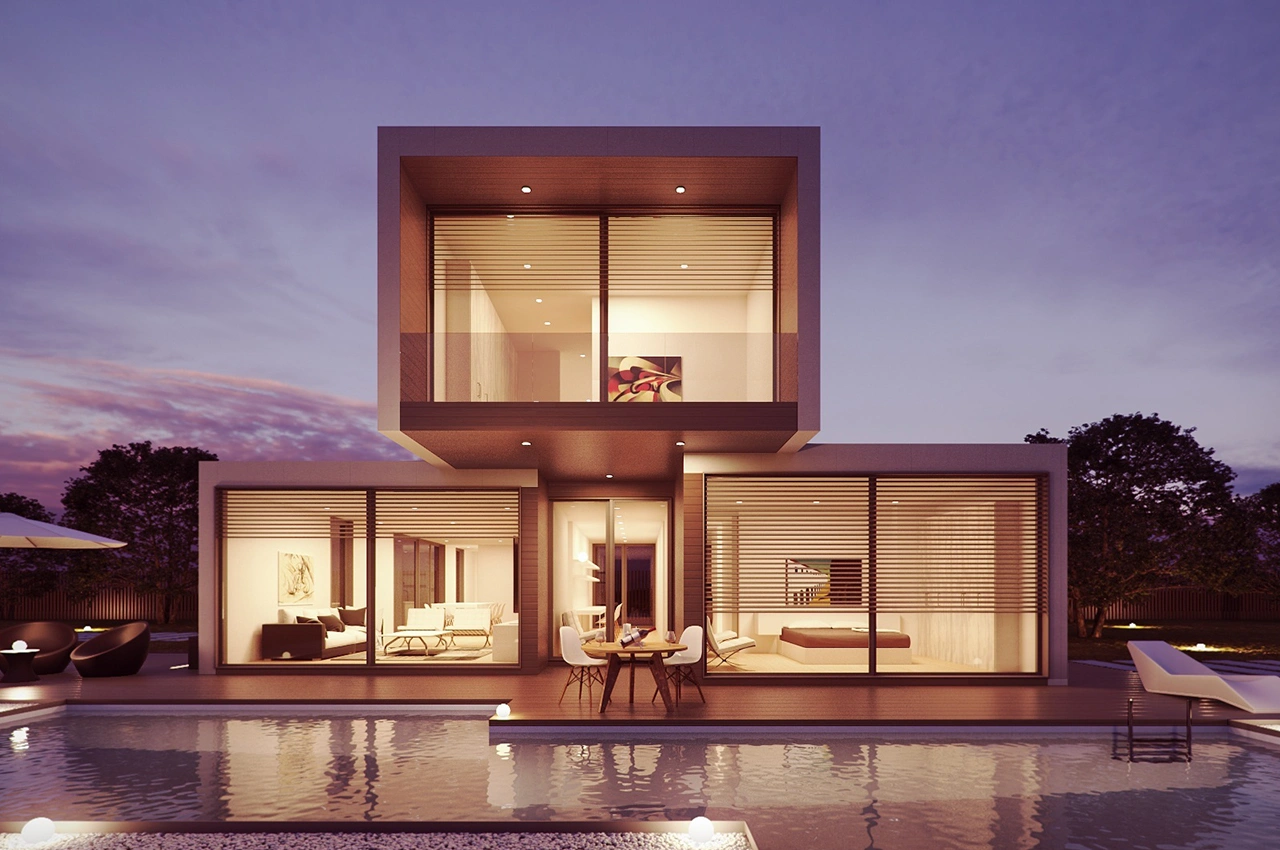
Minimal Living: Creating Space for What Truly Matters
Minimal living is more than a trend—it’s a lifestyle philosophy that emphasizes simplicity, intention, and focus. In a world overflowing with objects, distractions, and obligations, minimalism encourages us to strip away the unnecessary and prioritize what truly adds value to our lives. This post explores the principles, strategies, and benefits of minimal living, offering practical insights for creating meaningful spaces and habits.
Understanding Minimal Living
Minimal living is not about deprivation; it’s about clarity. By intentionally reducing clutter—both physical and mental—we create space for creativity, calm, and purpose.
Core principles include:
- Intentionality: Keeping only what serves a purpose or brings joy.
- Simplicity: Streamlining routines, possessions, and environments.
- Mindfulness: Being present and aware of how each item or habit contributes to life.
- Sustainability: Choosing quality over quantity to reduce waste and promote conscious consumption.
Minimalism encourages reflection on what we truly value, allowing our spaces and schedules to reflect our priorities.
Decluttering the Physical Space
Creating a minimalist home starts with decluttering. A clutter-free environment fosters calm, improves focus, and makes everyday life more functional.
Steps to declutter:
- Sort and categorize: Separate items into keep, donate, recycle, or discard.
- Focus on essentials: Retain items that are used regularly or hold deep meaning.
- Simplify storage: Use open shelving or hidden storage to maintain a clean look.
- Limit duplicates: One functional version of each tool or item is often enough.
- Maintain regularly: Dedicate a few minutes each day to keep the space tidy.
The process of decluttering also has a psychological benefit, helping reduce stress and mental overload.
Designing a Minimalist Home
Minimalist interiors emphasize functionality, natural light, and visual simplicity. Every design choice should support comfort, clarity, and purpose.
Key design tips:
- Neutral color palette: Whites, beiges, soft greys, and natural tones create calm.
- Quality over quantity: Invest in a few high-quality furniture pieces rather than overcrowding with items.
- Open layouts: Encourage flow and allow spaces to breathe.
- Purposeful decoration: Select art, plants, or objects that have meaning.
- Natural materials: Wood, stone, and linen add warmth without clutter.
A minimalist home does not feel empty; it feels intentional, spacious, and serene.
Minimal Living Beyond the Home
Minimalism extends beyond physical spaces. It applies to schedules, habits, and relationships, promoting a balanced lifestyle.
Areas to simplify:
- Time management: Prioritize meaningful activities and eliminate unnecessary commitments.
- Digital minimalism: Limit social media use, reduce notifications, and organize digital files.
- Consumption habits: Focus on buying essentials and choosing quality products.
- Relationships: Surround yourself with people who inspire, support, and energize you.
By simplifying these areas, minimal living fosters mental clarity, focus, and emotional well-being.
Benefits of Minimal Living
Adopting a minimalist lifestyle provides tangible and intangible benefits for both home and life.
Key benefits include:
- Reduced stress and anxiety due to organized spaces and clear priorities.
- Increased productivity by removing distractions.
- Greater financial freedom through mindful consumption.
- Enhanced creativity and appreciation for meaningful objects or experiences.
- Improved sustainability and reduced environmental impact.
Minimal living helps align your environment and lifestyle with your values.
Practical Tips for Daily Minimalism
Implementing minimal living can be gradual. Small, consistent changes often have the most lasting impact.
Daily strategies:
- Perform a 5-minute tidy-up each day to prevent clutter accumulation.
- Limit purchases to what is necessary or truly sparks joy.
- Practice mindful routines, such as mindful eating or meditation.
- Regularly evaluate possessions, commitments, and habits to ensure alignment with priorities.
- Create “breathing spaces” in rooms—areas intentionally kept clear to promote calm and focus.
These steps make minimal living practical and sustainable over time.
-

Simple Home Styling Ideas That Make a Big Impact
Transforming your home doesn’t always require expensive renovations or a complete redesign. Small, thoughtful styling choices can make a big difference, creating a space that feels fresh, inviting, and reflective of your personality. Whether you’re aiming for a cozy living room, a functional workspace, or a serene bedroom, these simple home styling ideas can elevate your interiors with minimal effort.
1. Declutter and Organize
A clean and organized home immediately feels more spacious and inviting. Removing unnecessary items allows your key design elements to shine.
Practical steps:
- Sort items into keep, donate, or recycle piles.
- Store similar items together for easy access.
- Use stylish storage solutions like baskets, trays, or boxes.
- Keep countertops and surfaces clear to create an open feel.
Decluttering not only improves aesthetics but also reduces stress and enhances functionality.
2. Use Color Strategically
Color can transform a room’s mood and make spaces feel larger or cozier. Even subtle color changes can have a significant impact.
Tips for using color effectively:
- Paint an accent wall to create a focal point.
- Incorporate throw pillows, rugs, or curtains in complementary colors.
- Use light, neutral tones to make small rooms feel open.
- Add pops of bold color in small decor items for vibrancy.
By thoughtfully integrating color, you can change the perception and energy of a room without major renovations.
3. Add Greenery and Natural Elements
Plants and natural materials bring warmth, texture, and life into your home. They also improve air quality and create a calming atmosphere.
Ideas for natural touches:
- Place potted plants in corners, on shelves, or by windows.
- Use wooden furniture, woven baskets, or stone accessories.
- Add fresh flowers in vases for instant freshness.
- Mix textures like linen, cotton, or jute for visual interest.
Even small plants or natural elements can dramatically enhance your home’s appeal.
4. Play with Textures and Layers
Combining textures creates depth and interest, making a space feel inviting and tactile.
Simple ways to layer textures:
- Layer rugs of different fabrics or patterns.
- Mix cushions in velvet, cotton, or knitted fabrics.
- Incorporate throws over sofas or beds for warmth.
- Add wall art or textured decor to balance smooth surfaces.
Texture adds dimension and comfort, even in minimalist interiors.
5. Highlight Key Focal Points
Every room benefits from a visual focal point that draws attention. This can guide styling choices and create balance.
Ideas for focal points:
- A statement piece of furniture, like a colorful sofa or chair.
- A large piece of art or gallery wall.
- A feature wall with wallpaper or paint.
- A decorative mirror to reflect light and expand space.
Focusing on one or two main elements helps simplify styling and prevents visual clutter.
6. Improve Lighting
Good lighting can completely transform a space, enhancing colors, textures, and ambiance.
Lighting tips:
- Use layered lighting: overhead, task, and accent lights.
- Add floor or table lamps to create cozy corners.
- Maximize natural light by keeping windows unobstructed.
- Choose warm light bulbs for a welcoming atmosphere.
Proper lighting ensures your home feels comfortable and highlights your styling efforts.
7. Incorporate Personal Touches
Your home should reflect your personality and story. Personal touches make spaces feel unique and lived-in.
Ways to personalize:
- Display favorite books, photos, or souvenirs.
- Include artwork or handmade items that inspire you.
- Rotate seasonal decor to keep spaces fresh.
- Mix modern and vintage pieces for character.
Personalization turns a styled space into a home you love living in.
8. Use Mirrors to Create Space
Mirrors are a simple styling tool that can make rooms feel larger, brighter, and more elegant.
Mirror tips:
- Place mirrors opposite windows to reflect natural light.
- Use a large floor mirror to visually expand a small room.
- Add decorative frames to complement your decor style.
- Combine multiple small mirrors for a creative gallery effect.
Mirrors are a versatile and affordable way to enhance your home’s impact.
-

Living Creatively: Turning Everyday Moments into Inspiration
Creativity is not limited to studios, art supplies, or formal projects. It is woven into the fabric of everyday life and can be nurtured by observing, reflecting, and interacting with the world around us. Living creatively is about turning ordinary moments into sources of inspiration, finding beauty in simplicity, and making intentional choices that spark imagination. This post explores practical ways to cultivate creativity daily and integrate it into your lifestyle.
1. Observe and Appreciate Your Surroundings
The first step to living creatively is awareness. Everyday surroundings—nature, architecture, or city life—offer endless inspiration.
Tips to enhance observation:
- Take short walks and notice colors, shapes, and textures.
- Observe patterns in nature, such as the movement of leaves or water.
- Pay attention to light and shadows in your home or office.
- Keep a small notebook or use a phone to capture fleeting ideas.
By training your mind to observe, ordinary moments become a canvas for inspiration.
2. Find Inspiration in Daily Rituals
Routine activities—cooking, cleaning, or commuting—can be transformed into creative opportunities.
Examples of creative everyday habits:
- Experiment with new recipes or plating styles in the kitchen.
- Rearrange furniture or decor for a fresh perspective at home.
- Listen to music or podcasts that stimulate new ideas.
- Capture interesting sights or patterns during daily commutes.
Routine can be a platform for creativity when approached with mindfulness.
3. Collect and Curate Inspiration
A creative life benefits from a collection of ideas and experiences that you can revisit later.
Ways to curate inspiration:
- Keep a journal or sketchbook for ideas, doodles, or reflections.
- Save images, articles, or quotes digitally or in a physical folder.
- Collect textures, fabrics, or small objects that spark creativity.
- Create mood boards to visualize potential projects or concepts.
Having a curated library of inspiration allows for quick access when needed.
4. Experiment with Everyday Materials
You don’t need specialized tools or studios to practice creativity. Everyday objects can become the medium for exploration.
Ideas for experimenting:
- Use leftover jars, boxes, or fabrics for DIY projects.
- Turn kitchen utensils into playful art or design experiments.
- Sketch, write, or paint using minimal supplies.
- Repurpose old items into functional or decorative pieces.
This approach encourages resourcefulness and creativity in daily life.
5. Practice Mindful Creativity
Mindfulness and creativity go hand in hand. By being present, we can notice small details that often go overlooked.
Mindful practices for creativity:
- Take a few minutes each day to reflect on sensory experiences.
- Observe how colors, sounds, and textures influence mood.
- Use meditation or deep breathing to enhance focus and awareness.
- Record insights or ideas that arise during quiet moments.
Mindfulness helps transform ordinary experiences into meaningful inspiration.
6. Incorporate Creativity into Home Spaces
Your environment can reinforce creative thinking and living. Simple design choices can stimulate imagination and productivity.
Tips for creative home spaces:
- Display artwork, plants, or handmade objects that inspire.
- Create a dedicated corner for sketching, writing, or crafting.
- Rotate decor or rearrange furniture periodically to refresh perspective.
- Ensure natural light and uncluttered spaces to promote focus.
A thoughtfully designed space nurtures creativity every day.
7. Embrace Curiosity and Play
Living creatively involves curiosity and the willingness to experiment without fear of failure.
Ways to cultivate playful creativity:
- Try a new hobby or skill without worrying about perfection.
- Take inspiration from books, films, or music and reinterpret it.
- Challenge yourself with small daily creative tasks, like photography or journaling.
- Allow yourself to make mistakes and explore unexpected outcomes.
Curiosity and play transform mundane routines into creative opportunities.
8. Connect with Creative Communities
Interacting with other creative individuals provides motivation, feedback, and inspiration.
Ways to engage with creative networks:
- Join local art, writing, or craft groups.
- Participate in online creative forums or social media communities.
- Attend workshops, exhibitions, or events to spark new ideas.
- Collaborate on small projects or challenges to expand skills.
Sharing and learning from others reinforces a creative mindset.
-

The Quiet Power of Art in Modern Culture
Art has always been a reflection of society, a medium through which emotions, ideas, and values are communicated. In modern culture, art’s impact is subtle yet profound, influencing thoughts, behaviors, and social trends in ways that are often overlooked. Its quiet power lies not in loud statements or grand spectacles but in the way it shapes perception, inspires reflection, and connects communities across diverse backgrounds.
1. Art as a Mirror of Society
Art serves as a mirror, reflecting societal values, struggles, and achievements. Contemporary artists often tackle issues such as identity, inequality, and environmental concerns, encouraging viewers to engage critically.
Ways art mirrors society:
- Visual storytelling through paintings, murals, and installations.
- Photography capturing moments that define cultural and social movements.
- Digital and multimedia art that addresses current global topics.
By reflecting society, art fosters awareness and conversation, making it a subtle but influential force.
2. Emotional Impact and Personal Reflection
One of art’s most significant contributions is its ability to evoke emotion. Art invites personal interpretation, creating intimate experiences that resonate with viewers on an individual level.
How art affects emotions:
- Colors and textures evoke specific moods or memories.
- Abstract forms stimulate imagination and curiosity.
- Narrative-driven works encourage empathy and introspection.
Through these emotional connections, art quietly shapes how we understand ourselves and others.
3. Art in Public Spaces
Modern culture increasingly integrates art into public environments, making it accessible to everyone. Public art enriches communities by creating shared experiences and cultural touchpoints.
Examples of public art’s influence:
- Street murals that beautify neighborhoods and communicate social messages.
- Sculptures and installations in parks, plazas, and city streets.
- Interactive art experiences that engage audiences in participation.
Public art encourages interaction, dialogue, and community pride, demonstrating art’s power beyond galleries.
4. Art and Technology
Technology has expanded art’s reach and influence, allowing it to permeate everyday life in unprecedented ways.
Technological impacts on art:
- Digital platforms allow artists to share work globally.
- Virtual and augmented reality create immersive artistic experiences.
- Social media fosters direct engagement between artists and audiences.
- Online marketplaces enable access to art for new collectors and enthusiasts.
By blending creativity with technology, art quietly shapes modern culture and broadens its accessibility.
5. Art as a Tool for Education
Art plays a critical role in education, fostering creativity, critical thinking, and empathy. Exposure to art at an early age develops cognitive and emotional intelligence, shaping how individuals interact with the world.
Educational benefits of art:
- Enhances visual literacy and observation skills.
- Encourages problem-solving through creative expression.
- Builds emotional awareness and communication abilities.
- Provides historical and cultural context through artistic interpretation.
Art in education ensures that future generations understand its subtle yet transformative power.
6. Art and Personal Spaces
Art’s quiet power is also visible in homes, workplaces, and personal spaces. Thoughtfully placed art can inspire, calm, and energize daily life.
Ways to use art in personal spaces:
- Choose pieces that reflect personality and values.
- Rotate artworks periodically for fresh perspectives.
- Use art to define the mood or style of a room.
- Combine visual and tactile elements to create sensory experiences.
Incorporating art into everyday life reinforces its influence beyond formal exhibitions.
7. The Social and Cultural Dialogue
Art encourages dialogue across cultures, generations, and perspectives. Its subtle influence lies in the conversations it sparks and the shared understanding it fosters.
How art promotes dialogue:
- Exhibitions and galleries as spaces for discussion and exchange.
- Collaborative projects that bring together artists and communities.
- Digital platforms that allow commentary, critique, and engagement.
Through dialogue, art nurtures empathy, connection, and cultural awareness in modern society.
-

Designing Interiors That Feel Personal and Timeless
Creating an interior that feels both personal and timeless is the hallmark of thoughtful design. While trends come and go, a timeless interior prioritizes functionality, comfort, and individuality. Personal touches ensure the space resonates with your personality, lifestyle, and values, making it not just visually appealing but emotionally engaging. This post explores key principles, strategies, and ideas for designing interiors that remain stylish, functional, and meaningful over time.
1. Understand Your Personal Style
The first step in creating a personal and timeless space is identifying your unique style. This involves reflecting on your preferences, lifestyle, and the moods you want your home to evoke.
Ways to discover your style:
- Collect inspiration through magazines, websites, or Pinterest boards.
- Observe colors, textures, and layouts that consistently appeal to you.
- Identify furniture and decor that reflect your personality.
- Consider how each room will be used and what feeling it should create.
Understanding your style ensures that design choices feel authentic and cohesive.
2. Focus on Quality Over Quantity
Timeless interiors rely on high-quality materials and durable pieces rather than fast-changing trends. Investing in well-made items ensures longevity and reduces the need for constant updates.
Key considerations:
- Choose furniture crafted from solid wood, metal, or premium fabrics.
- Opt for durable finishes and materials that age gracefully.
- Prioritize classic shapes and designs that won’t quickly look outdated.
- Avoid overloading spaces with decorative items; simplicity enhances elegance.
Quality items create a foundation for style that lasts decades.
3. Use Neutral Colors with Thoughtful Accents
Neutral colors form the backbone of timeless interiors, providing flexibility and balance. Accents add personality without overwhelming the space.
Color strategies:
- Base walls, floors, and major furniture pieces in soft neutrals like beige, grey, or cream.
- Introduce color through pillows, rugs, curtains, or artwork.
- Layer textures, such as wood, linen, or stone, to add warmth and depth.
- Rotate accent colors over time to refresh the space without major changes.
This approach allows spaces to feel both stable and adaptable.
4. Incorporate Personal Touches
A home becomes meaningful when it reflects the inhabitant’s story, interests, and memories. Personal touches distinguish a timeless interior from a generic one.
Ways to personalize your interiors:
- Display family photos, travel souvenirs, or heirlooms.
- Curate artwork that resonates with you or inspires reflection.
- Include handmade or locally crafted items for uniqueness.
- Integrate books, plants, or objects that reflect hobbies and passions.
Thoughtful personalization creates an emotional connection to the space.
5. Balance Functionality and Aesthetics
Timeless interiors are practical as well as beautiful. A space must support daily life while remaining visually pleasing.
Functional design tips:
- Arrange furniture for comfort, ease of movement, and social interaction.
- Use multipurpose furniture like storage ottomans or foldable tables.
- Ensure adequate lighting for tasks, ambiance, and highlighting decor.
- Keep clutter under control with smart storage solutions.
Balancing function and aesthetics ensures a home is both usable and inviting.
6. Blend Classic and Contemporary Elements
Combining classic designs with contemporary touches achieves a timeless look. Classic pieces provide stability, while modern elements introduce freshness and personality.
Ideas for blending styles:
- Pair a vintage sofa with modern side tables.
- Use classic molding or architectural details with contemporary furniture.
- Mix traditional textiles with sleek, minimalist accents.
- Incorporate modern artwork alongside antique decor.
This mix keeps interiors relevant and avoids the trap of fleeting trends.
7. Pay Attention to Details
Small details often define the difference between a space that feels ordinary and one that feels curated and timeless.
Detail-focused strategies:
- Choose hardware, lighting fixtures, and handles with care.
- Maintain consistency in finishes and materials across the space.
- Incorporate subtle patterns in textiles or wall treatments.
- Add layers of texture through rugs, cushions, and throws.
Details enhance sophistication without overwhelming the overall design.
-

The Role of Light and Space in Modern Home Design
Light and space are fundamental elements in modern home design. They influence how we experience a home, affect our mood, and determine how other design elements are perceived. Thoughtful use of natural and artificial light, combined with the strategic arrangement of space, can make interiors feel expansive, welcoming, and harmonious. This post explores the importance of light and space, practical strategies to maximize their impact, and the subtle ways they shape modern living environments.
1. Understanding the Importance of Natural Light
Natural light is a powerful design tool. It enhances color, highlights textures, and creates a dynamic atmosphere that changes throughout the day.
Key benefits of natural light:
- Improves mood and overall well-being.
- Makes rooms feel larger and more open.
- Highlights architectural features and decorative elements.
- Reduces reliance on artificial lighting, promoting energy efficiency.
Designing with sunlight in mind allows spaces to feel alive and comfortable at all times.
2. Maximizing Natural Light
Properly harnessing natural light requires careful planning and arrangement. Small adjustments can dramatically improve the feel of a room.
Practical strategies:
- Use large, unobstructed windows to allow maximum light penetration.
- Position mirrors opposite windows to reflect and amplify sunlight.
- Keep window treatments light and airy to maintain brightness.
- Arrange furniture to avoid blocking natural light sources.
Maximizing natural light not only enhances aesthetics but also creates healthier living environments.
3. Artificial Lighting for Function and Atmosphere
While natural light is essential, artificial lighting ensures functionality and mood after dark. Layered lighting—combining ambient, task, and accent lighting—creates depth and flexibility.
Lighting techniques:
- Ambient lighting: Overhead lights for general illumination.
- Task lighting: Focused lights for work areas, reading corners, or kitchen counters.
- Accent lighting: Spotlights or wall fixtures to highlight art, plants, or architectural details.
- Dimmable options: Adjustable brightness for different moods and activities.
Effective lighting design enhances both utility and aesthetics in modern interiors.
4. The Role of Space in Design
Space is as important as furniture or decor. Open, well-organized spaces allow movement, reduce visual clutter, and create a sense of calm.
Space management principles:
- Use open floor plans to connect living areas.
- Avoid overcrowding rooms with unnecessary furniture.
- Consider scale and proportion when selecting furniture.
- Incorporate negative space to balance visual weight and enhance focus.
Proper use of space makes interiors functional, flexible, and visually appealing.
5. Creating Flow and Connectivity
The relationship between spaces affects the overall experience of a home. Seamless flow encourages comfort and practicality.
Ways to improve flow:
- Align rooms and pathways for intuitive movement.
- Use consistent flooring and color schemes across connected areas.
- Design functional zones for cooking, relaxing, and socializing.
- Include transitional elements like open shelving or partitions for subtle separation.
Flow ensures spaces feel cohesive, purposeful, and inviting.
6. Combining Light and Space
Light and space work hand in hand to shape perception. Bright, open areas feel larger, while strategic use of shadows can add intimacy or drama.
Tips for synergy:
- Position windows and openings to enhance depth and dimension.
- Use reflective surfaces like glass, mirrors, or metallic accents to extend visual space.
- Layer lighting to highlight architecture and textures.
- Balance openness with cozy corners for comfort and privacy.
When thoughtfully combined, light and space transform interiors into dynamic and versatile environments.
7. Minimalism and Spatial Efficiency
Modern home design often embraces minimalism, which emphasizes simplicity, functionality, and clarity of space. Less clutter allows light to flow freely and creates an airy, tranquil environment.
Minimalist strategies:
- Limit decorative items to essentials that add value or personality.
- Choose multi-functional furniture to maximize utility.
- Maintain clean lines and uncluttered surfaces.
- Integrate hidden storage solutions to reduce visual distractions.
Minimalism highlights the interplay of light and space, reinforcing a sense of calm and elegance.