Category: Minimal Living

  • Minimal Living: Creating Space for What Truly Matters

    Minimal Living: Creating Space for What Truly Matters

    Minimal living is more than a trend—it’s a lifestyle philosophy that emphasizes simplicity, intention, and focus. In a world overflowing with objects, distractions, and obligations, minimalism encourages us to strip away the unnecessary and prioritize what truly adds value to our lives. This post explores the principles, strategies, and benefits of minimal living, offering practical insights for creating meaningful spaces and habits.


    Understanding Minimal Living

    Minimal living is not about deprivation; it’s about clarity. By intentionally reducing clutter—both physical and mental—we create space for creativity, calm, and purpose.

    Core principles include:

    • Intentionality: Keeping only what serves a purpose or brings joy.
    • Simplicity: Streamlining routines, possessions, and environments.
    • Mindfulness: Being present and aware of how each item or habit contributes to life.
    • Sustainability: Choosing quality over quantity to reduce waste and promote conscious consumption.

    Minimalism encourages reflection on what we truly value, allowing our spaces and schedules to reflect our priorities.


    Decluttering the Physical Space

    Creating a minimalist home starts with decluttering. A clutter-free environment fosters calm, improves focus, and makes everyday life more functional.

    Steps to declutter:

    1. Sort and categorize: Separate items into keep, donate, recycle, or discard.
    2. Focus on essentials: Retain items that are used regularly or hold deep meaning.
    3. Simplify storage: Use open shelving or hidden storage to maintain a clean look.
    4. Limit duplicates: One functional version of each tool or item is often enough.
    5. Maintain regularly: Dedicate a few minutes each day to keep the space tidy.

    The process of decluttering also has a psychological benefit, helping reduce stress and mental overload.


    Designing a Minimalist Home

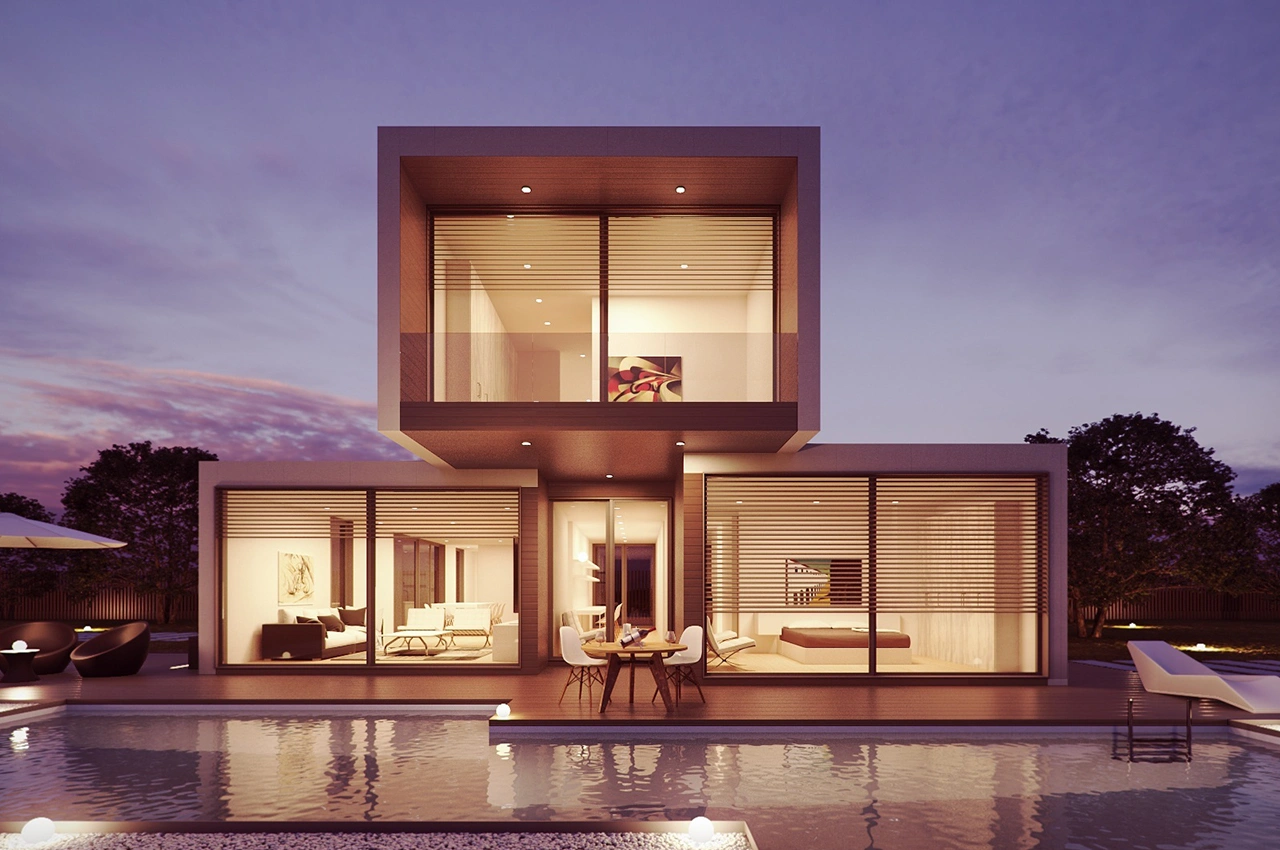
    Minimalist interiors emphasize functionality, natural light, and visual simplicity. Every design choice should support comfort, clarity, and purpose.

    Key design tips:

    • Neutral color palette: Whites, beiges, soft greys, and natural tones create calm.
    • Quality over quantity: Invest in a few high-quality furniture pieces rather than overcrowding with items.
    • Open layouts: Encourage flow and allow spaces to breathe.
    • Purposeful decoration: Select art, plants, or objects that have meaning.
    • Natural materials: Wood, stone, and linen add warmth without clutter.

    A minimalist home does not feel empty; it feels intentional, spacious, and serene.


    Minimal Living Beyond the Home

    Minimalism extends beyond physical spaces. It applies to schedules, habits, and relationships, promoting a balanced lifestyle.

    Areas to simplify:

    • Time management: Prioritize meaningful activities and eliminate unnecessary commitments.
    • Digital minimalism: Limit social media use, reduce notifications, and organize digital files.
    • Consumption habits: Focus on buying essentials and choosing quality products.
    • Relationships: Surround yourself with people who inspire, support, and energize you.

    By simplifying these areas, minimal living fosters mental clarity, focus, and emotional well-being.


    Benefits of Minimal Living

    Adopting a minimalist lifestyle provides tangible and intangible benefits for both home and life.

    Key benefits include:

    • Reduced stress and anxiety due to organized spaces and clear priorities.
    • Increased productivity by removing distractions.
    • Greater financial freedom through mindful consumption.
    • Enhanced creativity and appreciation for meaningful objects or experiences.
    • Improved sustainability and reduced environmental impact.

    Minimal living helps align your environment and lifestyle with your values.


    Practical Tips for Daily Minimalism

    Implementing minimal living can be gradual. Small, consistent changes often have the most lasting impact.

    Daily strategies:

    • Perform a 5-minute tidy-up each day to prevent clutter accumulation.
    • Limit purchases to what is necessary or truly sparks joy.
    • Practice mindful routines, such as mindful eating or meditation.
    • Regularly evaluate possessions, commitments, and habits to ensure alignment with priorities.
    • Create “breathing spaces” in rooms—areas intentionally kept clear to promote calm and focus.

    These steps make minimal living practical and sustainable over time.
  • The Beauty of Less: A Guide to Calm and Clutter-Free Homes

    The Beauty of Less: A Guide to Calm and Clutter-Free Homes

    In today’s fast-paced world, our homes often reflect the chaos of our lives. Clutter can overwhelm the senses, creating stress and reducing our ability to relax and focus. Embracing the philosophy of “less is more” promotes calm, clarity, and intentional living. Minimalism is not about deprivation; it’s about prioritizing what truly matters and creating spaces that nurture well-being and creativity. This guide explores practical strategies to achieve a clutter-free home and a calmer lifestyle.


    1. Understanding the Concept of Less

    Minimalism goes beyond aesthetics. It is a mindset that values simplicity, quality, and purpose over excess.

    Key principles:

    • Focus on meaningful possessions rather than accumulating items.
    • Prioritize quality over quantity in furniture, decor, and personal belongings.
    • Make intentional choices that support a functional and calming environment.
    • Create spaces that allow for relaxation, reflection, and creativity.

    Understanding minimalism as a lifestyle, not just a design trend, ensures lasting impact.


    2. Decluttering Your Space

    Decluttering is the foundation of calm and clutter-free living. By removing unnecessary items, you create room for what truly matters.

    Effective decluttering strategies:

    • Sort belongings into categories: keep, donate, or recycle.
    • Tackle one room or area at a time to avoid feeling overwhelmed.
    • Be honest about what you actually use and cherish.
    • Store essential items neatly and out of sight to maintain visual clarity.

    Regular decluttering fosters both physical and mental clarity.


    3. Prioritizing Functionality

    A calm home is also a functional home. Spaces should be organized to support daily routines, reduce stress, and increase efficiency.

    Tips for functional living spaces:

    • Invest in furniture that serves multiple purposes, like storage ottomans or foldable tables.
    • Keep frequently used items easily accessible and less-used items stored.
    • Arrange rooms to allow easy movement and flow.
    • Limit decor to pieces that enhance both form and function.

    Functionality ensures your home is practical while maintaining a sense of calm.


    4. Thoughtful Use of Color

    Color can significantly influence the perception of space and mood. Minimalist design often favors neutral and muted tones to create serenity.

    Color strategies:

    • Use whites, creams, and soft greys as base colors.
    • Introduce subtle accent colors through cushions, throws, or artwork.
    • Avoid overly busy patterns that distract from simplicity.
    • Consider natural materials and textures to add warmth without clutter.

    A calming color palette reinforces the sense of space and tranquility.


    5. Simplifying Decor

    Minimalist decor emphasizes intention over abundance. Each object should have a purpose, whether functional or aesthetic.

    Decorating tips:

    • Choose statement pieces rather than multiple small objects.
    • Display art or sculptures sparingly to highlight their importance.
    • Use open shelving and hidden storage to maintain clean surfaces.
    • Rotate decorative items seasonally to refresh spaces without adding clutter.

    Simplifying decor ensures your home feels organized, serene, and meaningful.


    6. Embracing Mindful Living

    Minimalism extends beyond the physical environment—it encourages mindfulness in daily life. A clutter-free home supports mental clarity and intentional choices.

    Mindful practices:

    • Establish routines that prioritize calm and focus.
    • Practice gratitude for possessions that truly serve you.
    • Reduce distractions by limiting technology or excessive stimuli in living spaces.
    • Use quiet corners for reflection, meditation, or reading.

    Mindful living complements minimalism, fostering a sense of balance and purpose.


    7. Designing for Open Space

    Open and airy spaces amplify the feeling of calm and reduce visual chaos. The layout and arrangement of furniture play a key role.

    Design strategies:

    • Arrange furniture to maximize flow and openness.
    • Leave negative space around key pieces to enhance focus and balance.
    • Use mirrors or glass surfaces to reflect light and expand the perception of space.
    • Avoid overcrowding rooms with unnecessary furniture or objects.

    Thoughtful spatial design reinforces the principles of calm, clutter-free living.


    8. Maintaining the Minimalist Lifestyle

    Creating a clutter-free home is an ongoing practice. Consistency ensures your home remains a sanctuary rather than reverting to chaos.

    Maintenance tips:

    • Regularly evaluate belongings and remove items no longer needed.
    • Introduce new purchases mindfully, focusing on quality and purpose.
    • Keep surfaces and storage organized to prevent clutter accumulation.
    • Encourage family or housemates to embrace shared minimalist practices.

    Sustained attention and intention help maintain a peaceful, clutter-free environment.